Introduction
Across industrial applications and maintenance, bearing seizure is the terminal stage of a failure process. it usually begins from a combination of lubrication failure, contamination, incorrect fit, excessive heat, or poor installation practices. By the time the bearing locks completely, the damage has often extended beyond the bearing itself to the shaft, housing, seals, and other surrounding components.
The result is not just a replacement of the bearing, but production delays, emergency maintenance, unplanned downtime, and avoidable operational costs.
Yet, in many industrial plants and operations, these warning signs are mostly overlooked until production stops. Most seizures are entirely preventable if you understand the mechanical stressors that cause them, and they require you to move from reactive replacements to proactive precision. With proper lubrication practices, correct mounting procedures, contamination control, and condition monitoring, industries can significantly reduce premature bearing failures and improve equipment reliability.
What Causes Bearing Seizures?
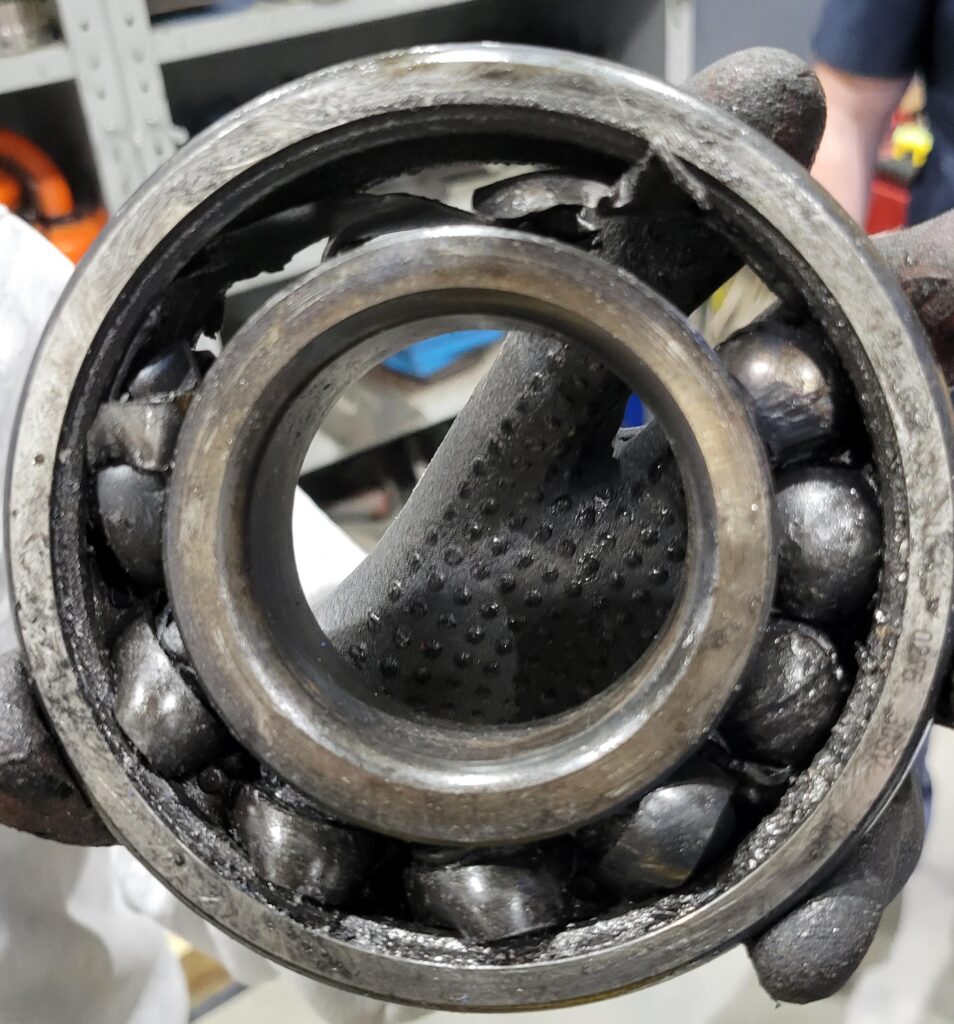
Bearing seizure usually happens when internal friction and heat builds up to the point where the rolling elements can no longer move freely along the raceways. As temperatures increase, internal clearances reduce, lubrication films collapse, and metal-to-metal contact begins to occur.So once this process accelerates, it may cause the bearing to lock completely, causing catastrophic damage to the rotating equipment.
Some Primary Failure Modes Leading To Seizure
Here are some of the most common mechanical causes of bearing seizure in industrial environments:
1. Lubrication & Film Breakdown
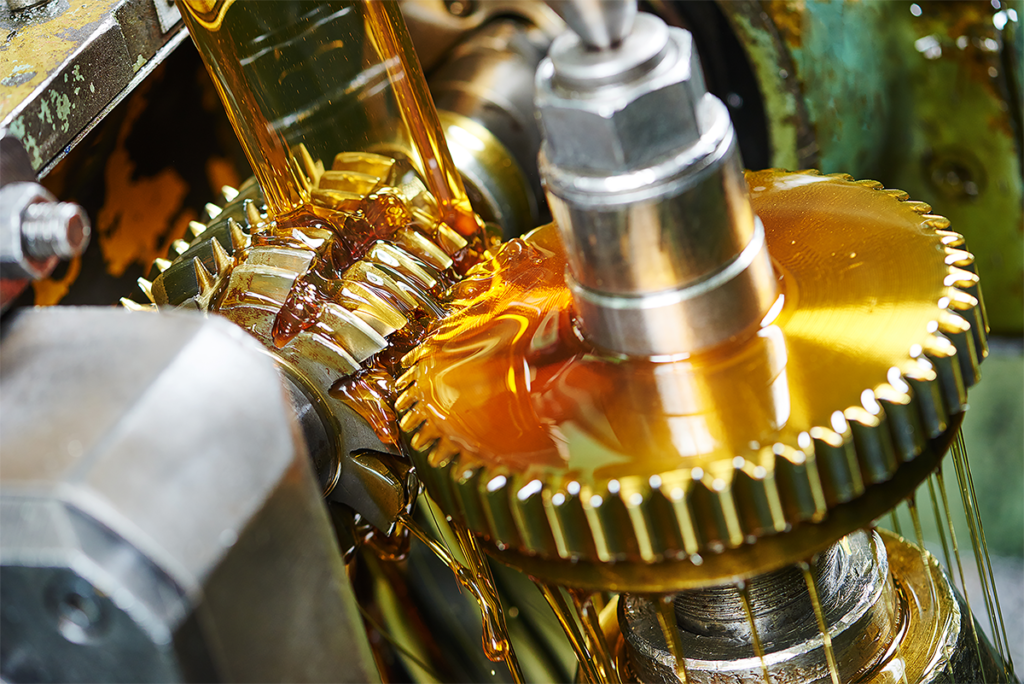
A bearing does not roll on metal, literally. Rolling bearings operate on a thin lubricating film that separates metal surfaces during operation. When this film becomes insufficient due to the wrong lubricant, degraded grease, contamination, or inadequate lubrication quantity, direct metal-to-metal contact begins to occur.
This generally increases friction, causes heat generation, and surface damage to the rolling elements and raceways.
In high-load environments, lubricant viscosity may also reduce beyond acceptable levels, weakening the protective film and accelerating wear. Over time, this can lead to localized welding, scoring, and eventual seizure.
Some common causes of lubrication include:
- Improper lubricant selection
- Inadequate lubrication intervals
- Lubricant contamination
- High operating temperatures
- Mixing incompatible lubricants
Based on our experience and expertise as authorized distributors for FUCHS, proper lubricant selection should always consider:
- Operating temperature
- Rotating speed
- Load conditions
- Environmental contamination
- Equipment application
READ ALSO: Why Good Oil Goes Bad: Managing Lubricant Degradation in High-Temperature Environments
2. Over-lubrication
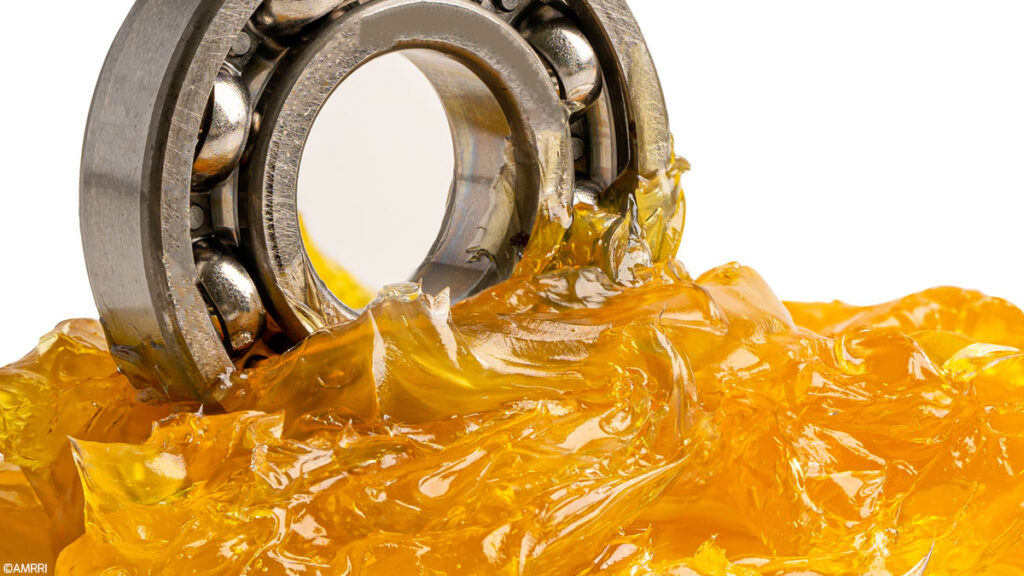
While under-lubrication is dangerous, excessive lubrication can also damage bearings. Over-greasing creates churning inside the bearing housing, increasing friction and the operating temperature. This additional heat can degrade the grease structure quickly, reduce the lubricant’s overall effectiveness, and eventually contribute to the bearing’s premature failure.
Excessive greasing can also damage seals, and increase internal pressure within the housing.
Worthy to note is a common misconception in maintenance that goes: more grease means better production. Actually, incorrect grease quantity can shorten a bearing’s life significantly.
3. Particulate Contamination:
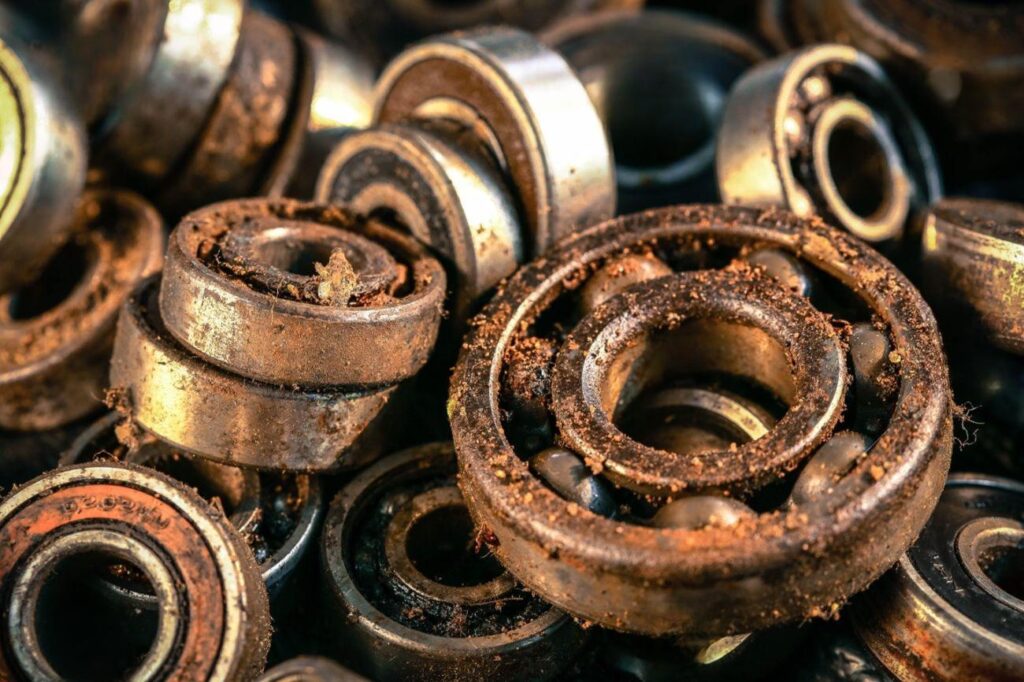
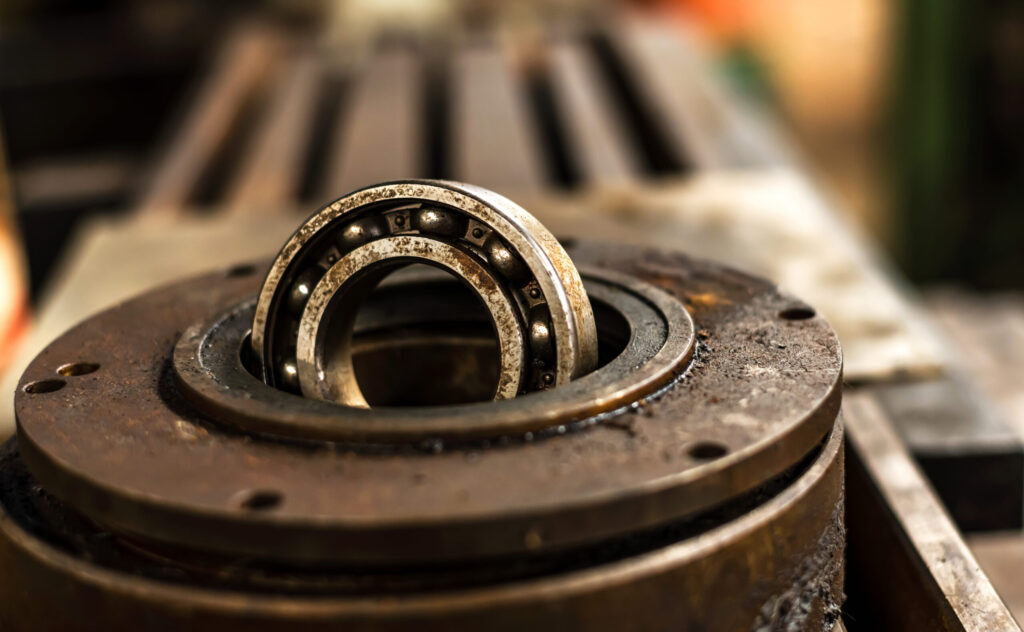
Contamination remains one of the leading causes of premature bearing failure, especially in harsh operating environments such as cement plants, mining operations, quarries, and other heavy manufacturing facilities.
Dust, moisture, and abrasive particles can accrue and enter the bearing through damaged or inadequate sealing systems. Once inside, these contaminants act as abrasive materials between the rolling surfaces, damaging the raceways and causing an increase in friction.
Overtime, this contamination:
- accelerates surface wear
- elevates vibration
- increases operating temperatures
- Reduces lubrication effectiveness
- Increases torque resistance
Poor contamination control most often leads to recurring bearing failures, even when the bearing itself is replaced repeatedly. This is why proper sealing, correct storage practices and clean installation procedures are essential for preventing contamination-related problems.
4.Incorrect Fit, Clearance & Mounting Practices:
Incorrect installation practices can reduce bearing life from the very first hour of its operation.
One common issue we have seen is improper internal clearance selection. With applications involving elevated temperatures or heavy loads, thermal expansion can reduce the operating clearance significantly. If the selected bearing is too tight for the application, excessive pre-load and heat generation may occur during operation.
Similarly, incorrect shaft or housing fits can also create abnormal stress within the bearing.
Some common installation-related causes include:
- Excessive interference fits
- Improper shaft tolerance
- Shaft misalignment
- Incorrect bearing seating
- Poor handling practices
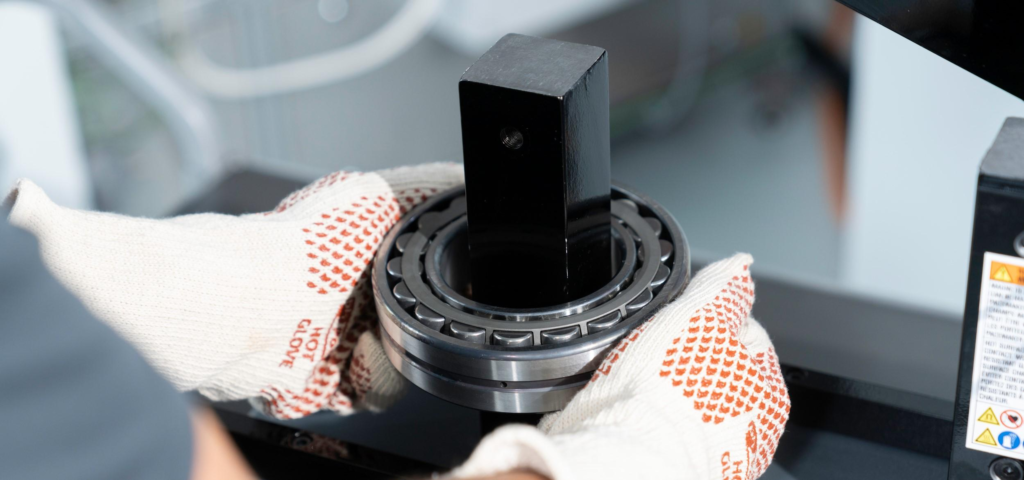
Using improper mounting methods may permanently damage the bearing before it even starts operation. It is important to ensure precision mounting tools such as inducton heaters, hydraulic nuts and proper fitting equipment (all of which we offer) are used to reduce installation damage and improve the bearing’s reliability.
Early Warning Signs & Indicators Of Bearing Seizure
As we have identified, bearing seizure rarely occurs without warning. Maintenance teams can most times identify developing issues early enough through routine monitoring and inspection. In no particular order, these are some of the warning signs to look out for:
- Abnormal Noise:
These are mostly highpitched metallic sounds, grinding, or unusual running noise that usually occur indicating a lack of proper lubrication. It is a result of two dry metals rubbing against each other. They may also be an indicator of contamination or internal surface damage. - Rising Operating Temperature:
Any sudden noticeable increase in bearing housing temperature may be an indicator of excessive friction, over-lubrication, poor lubrication, or clearance-related issues. Any bearing housing temperature exceeding 80°C (176°F) should be treated as a critical risk. - Increased Vibration:
As a bearing approaches seizure, the motor usually works harder to overcome internal friction, most often reflected in higher Ampere readings. Damaged raceways, contamination and lubrication breakdown typically increase vibration levels during operations. - Increased Power Consumption:
When internal friction rises, motors most often draw more current to maintain rotation. Increased amperage readings may be an indicator of growing resistance within the bearing system. - Grease Leakage or Discolouration
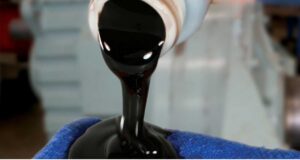
Darkened grease, burnt lubricant odour, or excessive grease leakage may indicate overheating or lubricant degradation.
Some Prevention Strategies & Corrective Action
Seizure is a fairly common phenomenon when working with bearings. This means they are not strange or uncommon occurrences. However, preventing them requires a proactive reliability approach rather than reactive replacement after failure occurs. Here are some preventive measures to consider:
- Proper Lubricant Selection: Use lubricants made for your equipment’s operating conditions, considering: temperature, speed, load, contamination exposure & application requirements.
Most importantly, lubrication schedules should be monitored closely and consistently. - Lubrication Quantity: The appropriate grease volume must be applied and over-greasing should be avoided completely. Relubrication intervals also need to align with the operating conditions and manufacturer recommendations.
- Mounting Procedures: It is necessary to use precision mounting tools and avoid impact installation methods. Using correct mounting practices can help:
– maintain internal clearance
– avoid premature damage
– improve bearing alignment
– reduce installation stress - Effective Contamination Control: Install appropriate sealing systems and always maintain clean handling procedures during storage and installation. Contamination prevention is more cost-effective than constant bearing replacement.
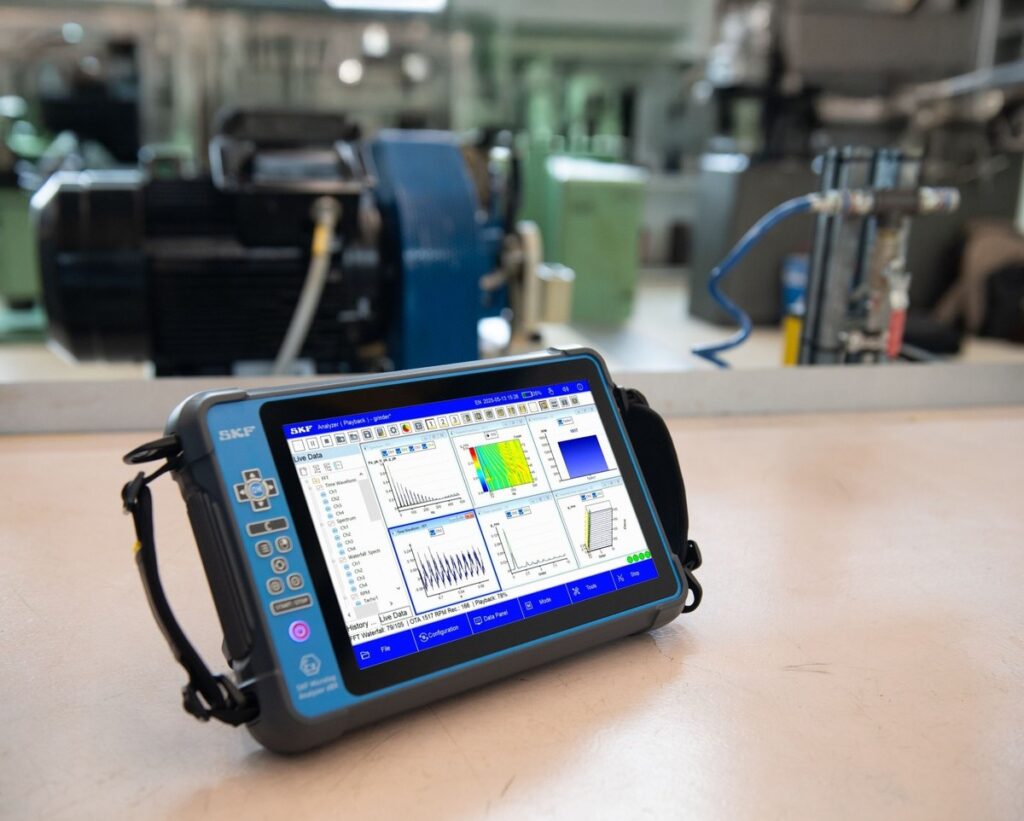
- Routine Condition Monitoring: This one involves the monitoring of vibration, temperature, lubrication condition & power consumption. All of these can help identify bearing-related issues before the failure happens.
Conclusion
Bearing seizure is not a random occurrence; it usually occurs as a result of specific, identifiable mechanical or environmental issues/stressors. By directing attention and focus to correct installation and lubrication selection, industries can scale through avoidable challenges and move from reactive repairs to a much more sustained reliability.
RPM(Rotation and Precision Machines) offers bearings from trusted brands like SKF, and as authorized distributors, we support industries with technical recommendations tailored to operating conditions and application requirements. Are you experiencing repeated bearing failures across your machines or recurring failures? Speak with us for proper analysis and recommendations.