Introduction
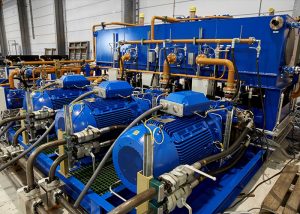
In many industrial environments, heat is not an occasional challenge but a constant operating condition. It is usually the quiet killer of reliability. Whether it’s a gearbox sitting next to a kiln in a cement plant, a bearing close to wearing out, or a hydraulic system running continuously, thermal stress is constant.
Most maintenance teams don’t catch on that their lubricant has failed until the equipment completely fails. But the truth is, the oil died weeks ago. When lubricants degrade thermally, they actively begin to destroy your machine through sludge, varnish, and acid formation. In the next few paragraphs, we break down exactly how heat destroys oil, the symptoms you’re likely missing, and how to switch to a lubrication strategy that can take the heat.
Understanding how and why lubricants degrade in high-temperature environments is critical to maintaining equipment reliability, controlling maintenance costs, and preventing avoidable breakdown.
The Chemistry of Failure: How Heat Destroys Oil
Lubricants are designed to reduce friction, protect surfaces, and assist in heat management. However, extended exposure to high temperatures compromises both their chemical and physical stability.
Lubricants rely on a delicate balance of base oils and additive packages. When temperatures spike, even for short periods, two primary destructive processes occur:
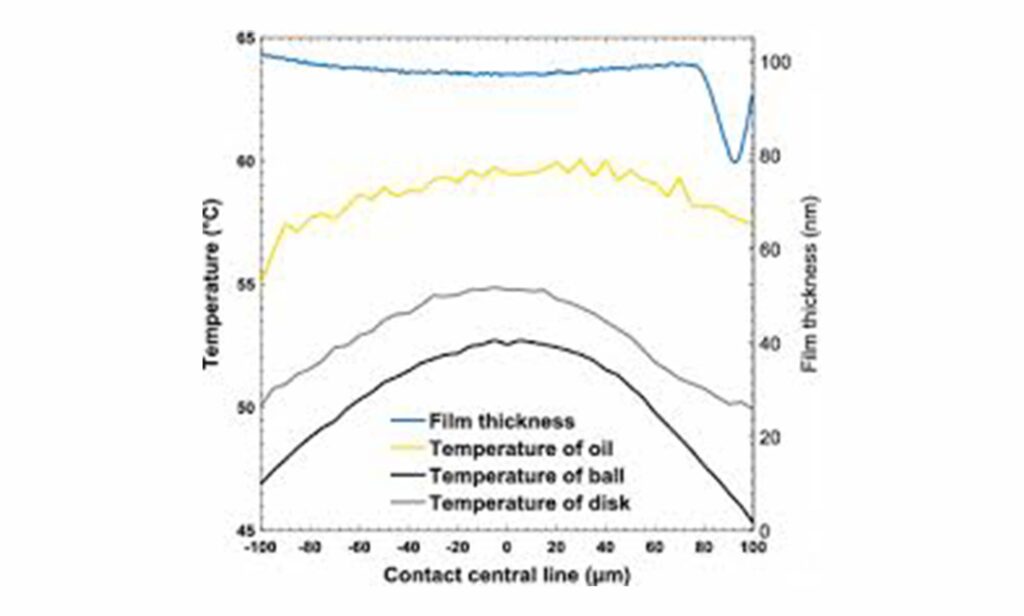
Accelerated Oxidation (The Aging Process): For every 10°C (18°F) increase in operating temperature above 60°C, the life of a standard mineral oil is cut in half. This is known as the Arrhenius rule. Heat causes oxygen to react with oil molecules, thickening the fluid and creating varnish that clogs valves and filters.
Thermal Cracking (The Breakdown): At extremely high temperatures (often found in hot spots within a machine), the oil molecules physically shear or “crack.” This leads to volatile by-products, rapid viscosity loss, and immediate protection failure.
4 Warning Signs Your Lubricant is Degrading
In many industrial environments, lubricant degradation is identified only after equipment efficiency drops. Be on the lookout for these early indicators:
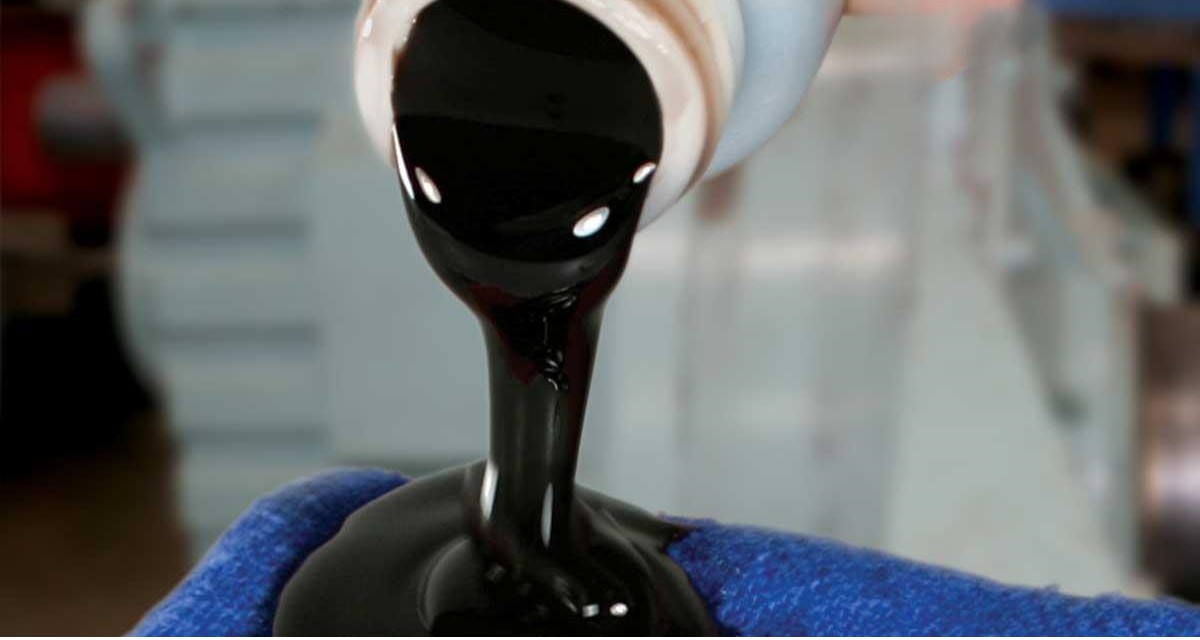
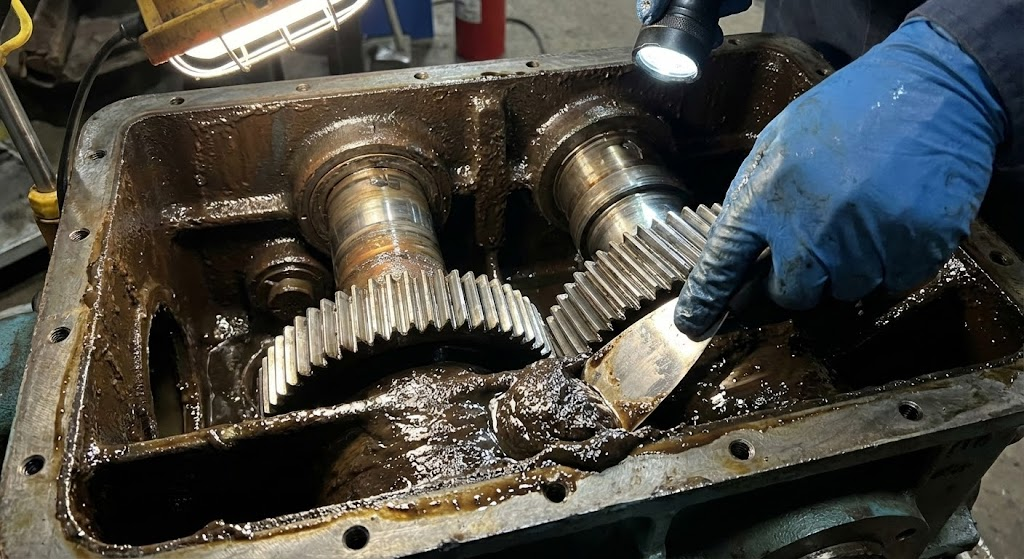
The “Darkening” Effect: While some darkening is normal, rapid blackening combined with a burnt smell indicates severe thermal stress.
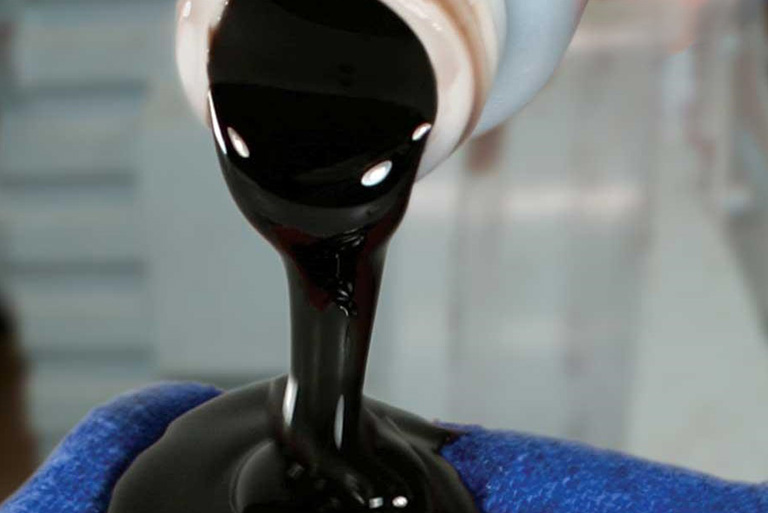
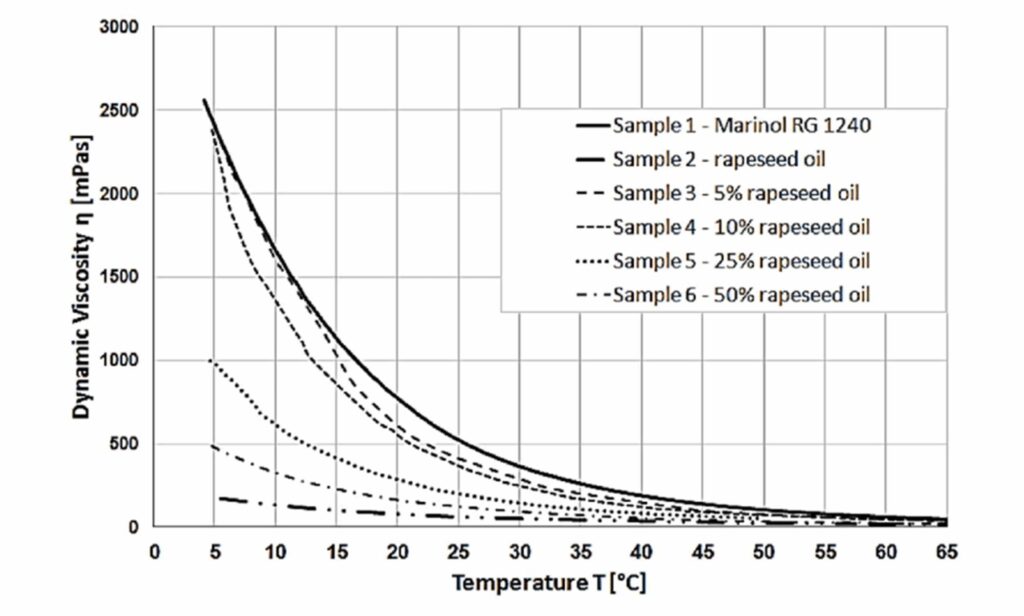
Viscosity Drift: If your ISO 220 gear oil tests as an ISO 320 (thickening) or ISO 150 (thinning), heat is likely the culprit you are looking for.
Varnish Buildup: Look for golden or brownish sticky residues on dipsticks, sight glasses, or valve spools. Varnish acts like an insulator, trapping more heat and accelerating the problem.
Filter Plugging: Rapidly clogging filters are often associated with sludge formation caused by oxidation.
In a nutshell, common warning signs include:
Equipment is operating hotter than normal
Increased lubricant consumption
Shortened oil drain intervals
Abnormal noise or vibration
Rising energy usage
By the time breakdown occurs, lubrication is most often seen as a consequence rather than the actual cause.

The Solution: Selecting High-Temperature Lubricants
Standard mineral oils typically hit their limit at 120°C. If your application pushes these boundaries, ‘topping up’ isn’t the solution you’re looking for – changing the fluid chemistry is.
Synthetic Hydrocarbons (PAO): Excellent thermal stability and oxidation resistance.
Polyalkylene Glycols (PAG): Ideal for extreme heat environments where varnish control is critical.
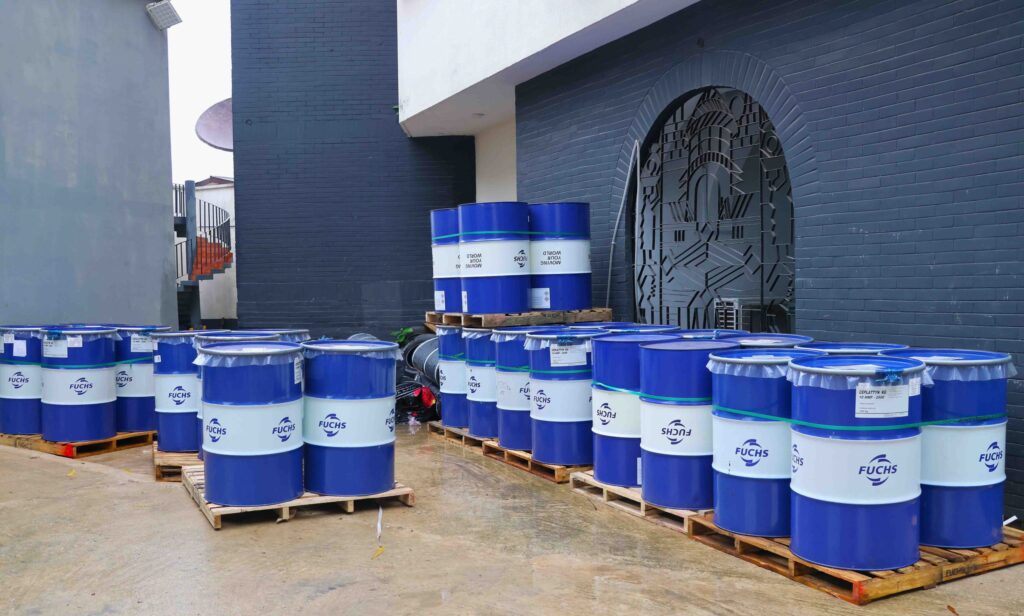
This is where partners like FUCHS excel. Their specialized industrial lines (like the RENOLIN or CEPLATTYN series) are formulated with advanced antioxidant packages specifically designed to stabilize viscosity in high-load, high-heat scenarios like cement kilns and drying ovens.
Industrial Conditions That Increase Degradation
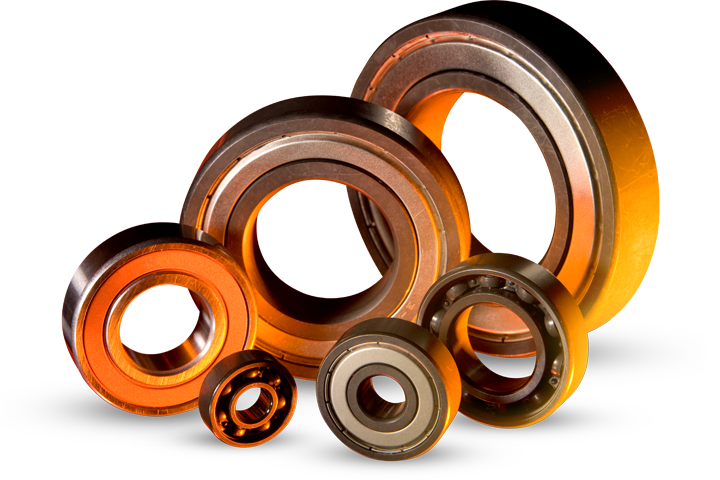
High-temperature lubricant degradation is especially common in:
Continuous production lines with limited cooling periods
Equipment located near furnaces, kilns, or dryers
Poorly ventilated housings, enclosed drives, and rotating components
High-load and high-speed applications
Dusty environments where heat and contamination combine
These conditions affect a wide range of industrial equipment and they are common across cement, steel, mining, FMCG, and processing plants, particularly in hot weather environments.

How To Maintain Lubrication Performance in High-Temperature Conditions
Heat-related lubricant degradation can be significantly reduced by adopting a few key maintenance practices:
Selecting lubricants based on actual operating temperature, not assumptions
Adjusting oil drain intervals to match real operating conditions
Improving contamination control and sealing
Monitoring lubricant condition through oil analysis
Treating lubrication as part of a reliability strategy, not just routine maintenance
In practice, plants operating under sustained heat increasingly rely on lubricant formulations developed specifically for thermal stress. FUCHS’ industrial lubricants are designed with a focus on oxidation resistance, thermal stability, and extended service life, supporting more effective lubrication management in high-temperature environments.
Conclusion
Stop Treating Oil Changes as 'Routine'
Lubrication isn’t a consumable, it’s a machine component. By matching your lubricant’s thermal rating to your actual operating environment and monitoring it via oil analysis, you turn a consumable cost into a reliability asset.
Is your equipment running hot? Contact our engineering team today for a lubricant audit and find out if your current oil can handle the heat.
Send us a mail on [email protected] or call 0707 427 0650